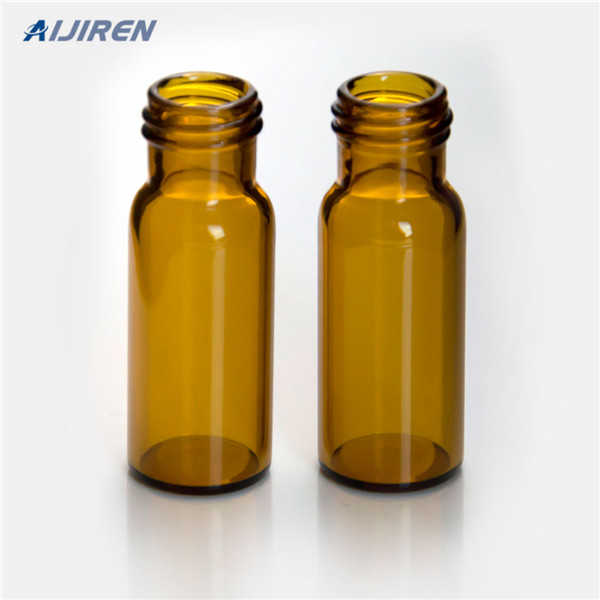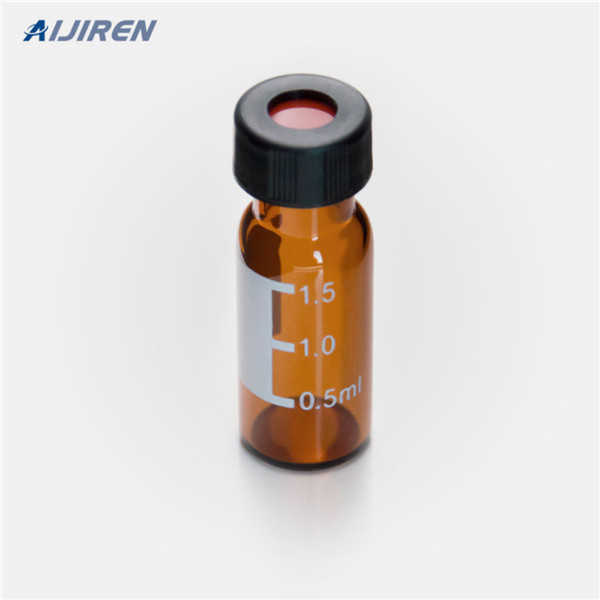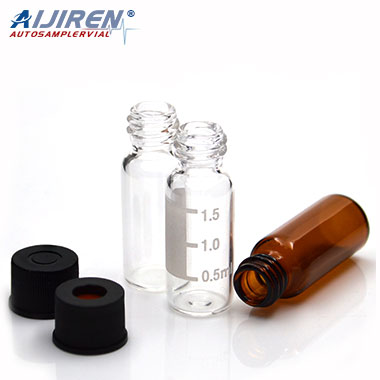
PTFE/silicone septa provide a critical chemical barrier in 9mm autosampler vials, but aggressive solvents such as chlorinated compounds, DMSO, and THF can penetrate or degrade the silicone layer.
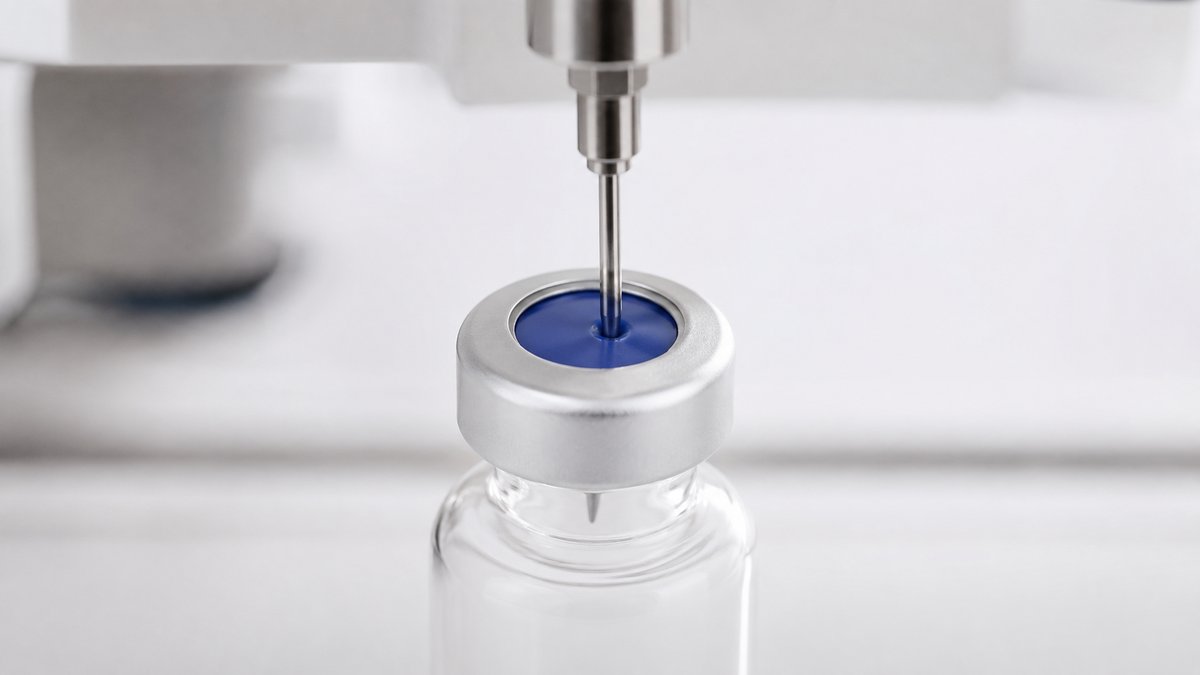
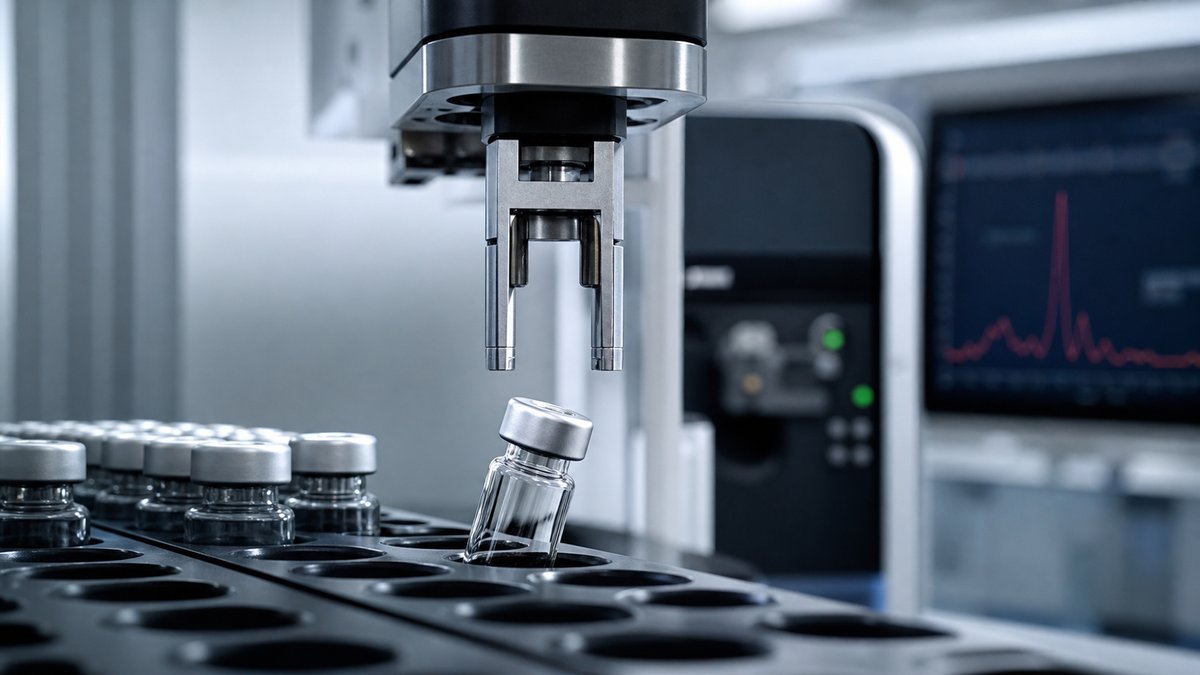
Septa coring generates rubber or silicone fragments when autosampler needles pierce vial septa, leading to clogged injection ports, contaminated samples, and ghost peaks. This guide covers needle selection, septum materials, manufacturing quality, and operational best practices to prevent particulate shedding.
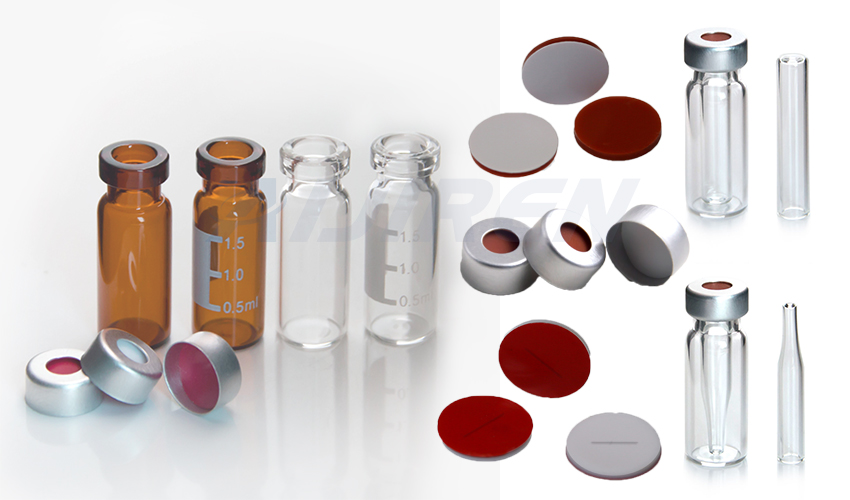
Discover which vial sealing method optimizes your chromatography workflow. This guide compares pre-assembled cap and septa kits against manual assembly, weighing efficiency, contamination risks, and cost-effectiveness to help labs select the ideal solution for reproducible results.
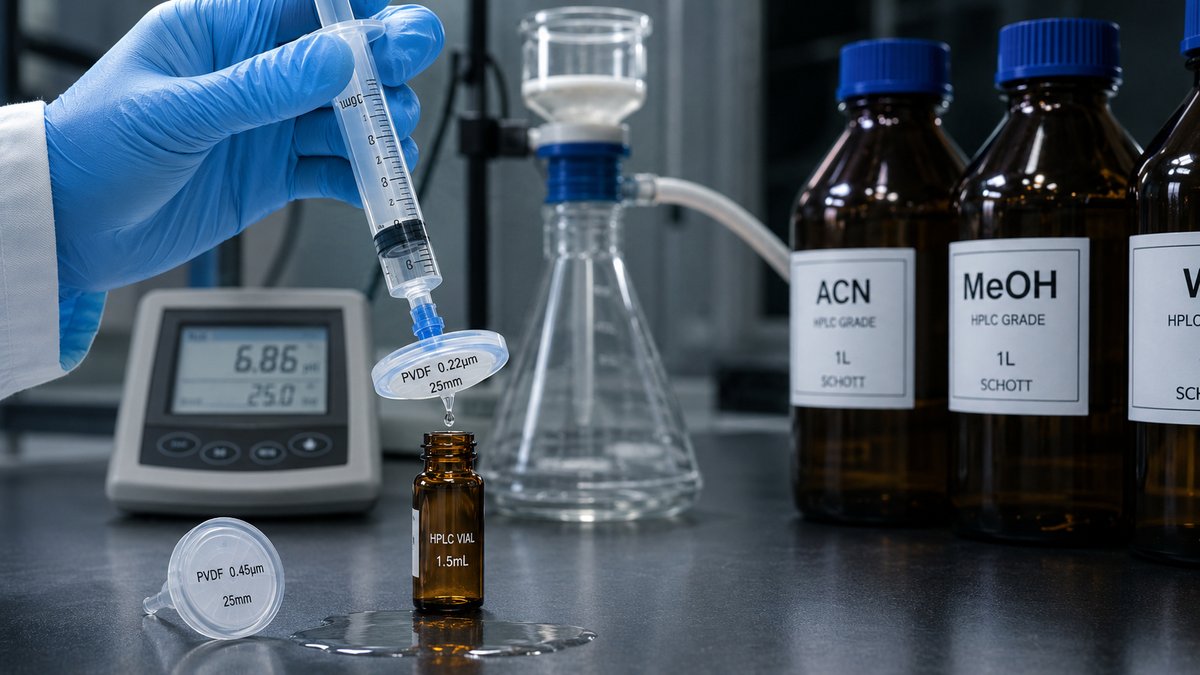
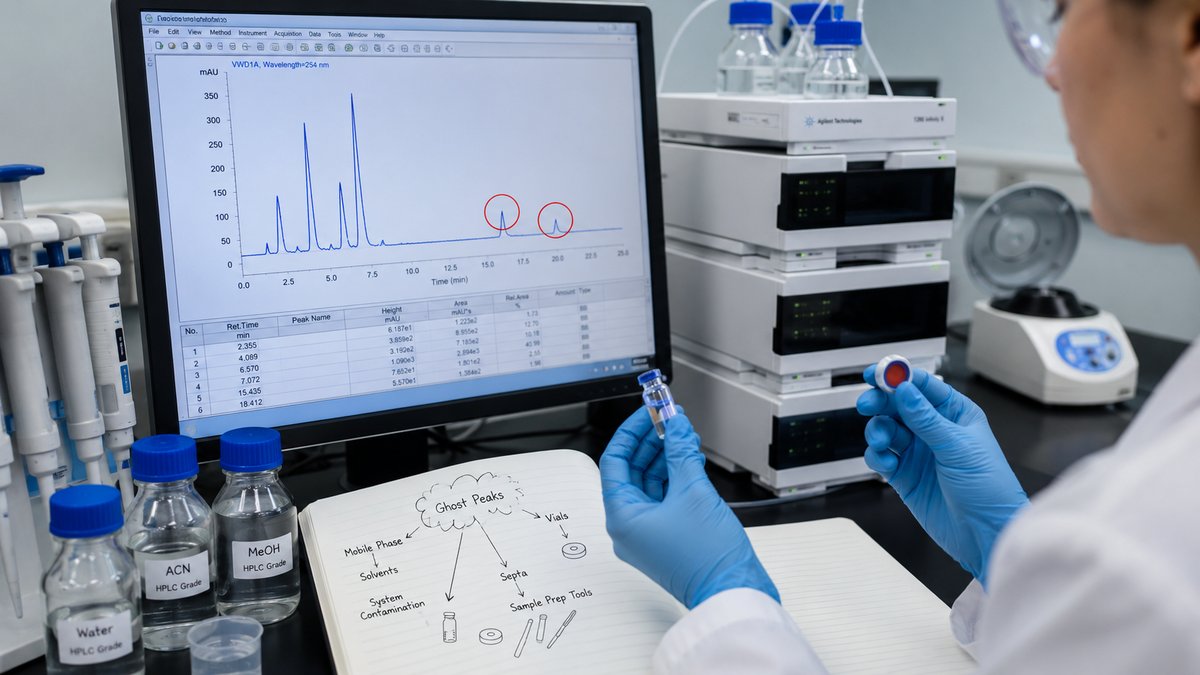
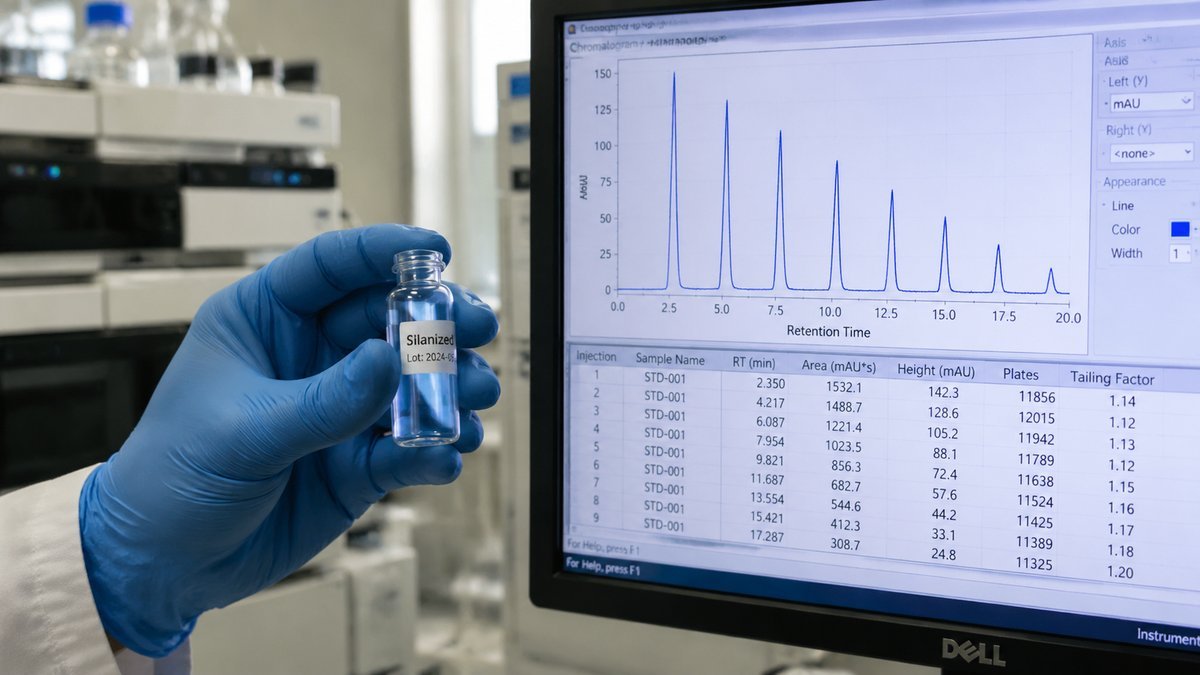
Every trace-level chromatographer has experienced the frustration: a freshly prepared calibration standard produces a crisp, symmetrical peak, but the area drops by 15 percent on the second injection,